Signs of Torture; Investigation Needed
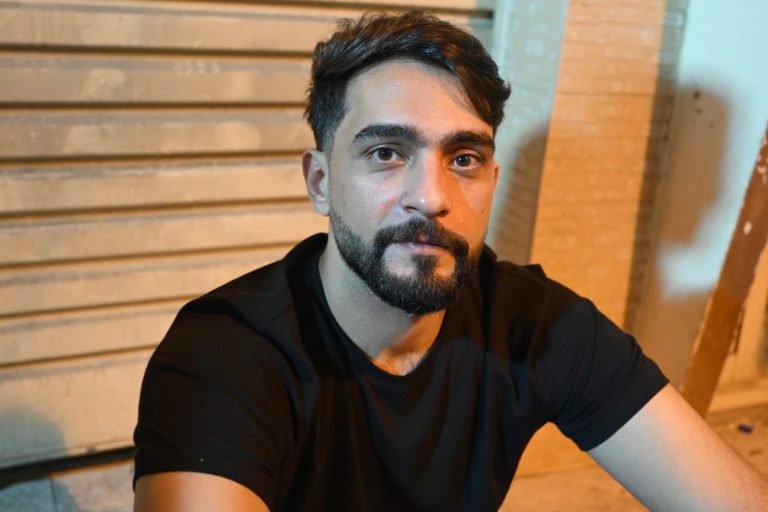
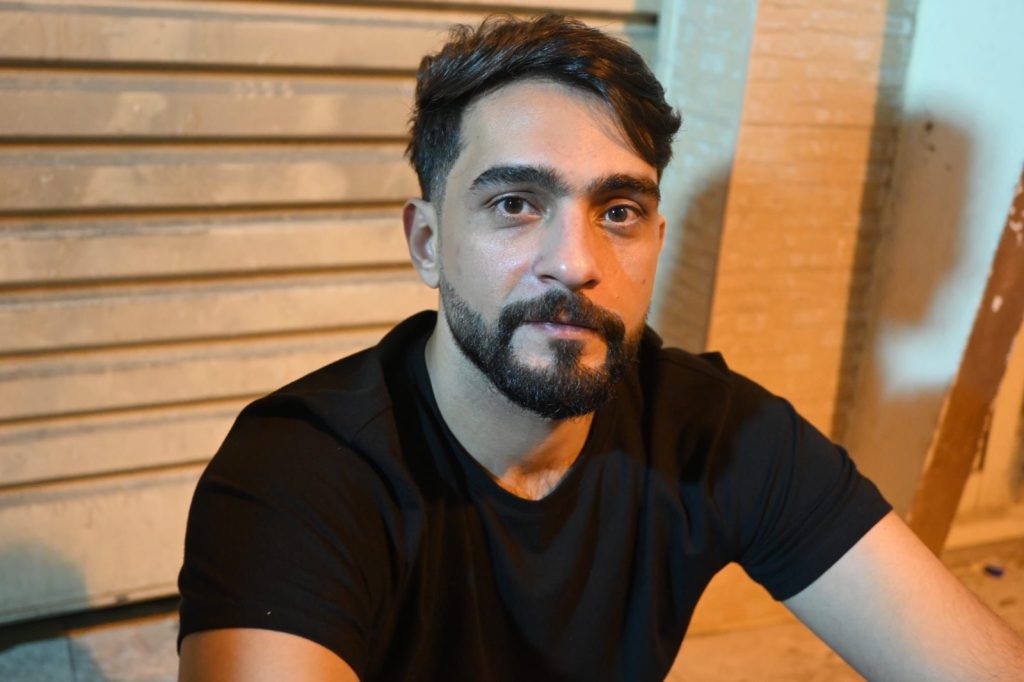
(Beirut) – A 32-year-old man who was forcibly disappeared in Bahrain on March 19, 2026, died in custody more than a week later and his body bore signs of torture, Human Rights Watch and the Bahrain Institute for Rights and Democracy (BIRD) said today.
After Sayed Mohamed Almosawi’s family lost contact with him for over a week, his parents received a call to come to the Bahrain Defense Hospital, a military hospital. When they arrived, they discovered that Mohamed Almosawi was dead and had visible signs of torture. The Interior Ministry subsequently said that the National Intelligence Agency (NIA) had detained him.
“No parents should ever get a phone call telling them to pick up the body of their son after searching for him for nine days,” said Niku Jafarnia, Yemen and Bahrain researcher at Human Rights Watch. “That Almosawi’s death came at the hands of the authorities, and in such a brutal way, makes this all the more horrific. Bahraini authorities should ensure that this never happens again.
Bahraini authorities should immediately and impartially investigate Mohamed Almosawi’s death and make the findings public, the groups said.
Human Rights Watch and BIRD interviewed eight people, including family members, friends, and human rights activists with knowledge about the case. A medical expert from Physicians for Human Rights reviewed photos and videos of the torture marks on Mohamed Almosawi’s body. Human Rights Watch and BIRD also reviewed the official “cause of death” report provided by authorities.
The medical expert concluded that the injuries were consistent with “repeated blunt force trauma applied over time, possible use of both hands and implements, injuries inflicted in a controlled environment, potentially involving restraint, [and] targeted blunt force trauma to specific anatomical regions (face, torso, feet).” The medical expert said that the evidence from the photos was “highly consistent with alleged torture” and ruled out both accidental injury and cardiac death.
Mohamed Almosawi, a small business owner and former political prisoner, was last seen on the morning of March 19 in a cafe in Tubli for suhoor, the meal eaten before dawn during Ramadan. He came there from an event at Imam Mojtaba Mosque in a village in Sanabis, near the capital Manama, with his cousin Sayed Ahmed Almosawi, and a friend, Mustafa Youssef.
A witness saw them leave at around 3:00 a.m., heading in the direction of Sanabis, reportedly to collect Almosawi’s car before returning to Muharraq, where they lived. Between 3:10 a.m. and 3:30 a.m., he was on a phone call with a family member while in the car, but the call was suddenly broken off. This is the last known communication with any of the three men before Mohamed Almosawi’s death.
From about 8:00 to 9:00 a.m., his WhatsApp was turned on briefly. His messages were marked as read, suggesting that the authorities were accessing his phone. The location, family members said, was near the Southern Hamad Town Police Station, Roundabout 17. His family called the station, but the authorities denied that he was there.
The families of the cousins then contacted the Interior Ministry but were told that they were not in custody. One of the families said that they were only able to file a missing person report on March 25 due to the Eid holidays, after which the police called them a few times and asked whether the men had returned home or if the families had heard anything about them.
On the morning of March 27, the family of Mohamed Almosawi received a call from the Bahrain Defense Hospital asking them to go to the hospital without stating the reason. Only when they arrived did the family learn that Mohamed Almosawi was dead.
Authorities said he had been brought there suffering from a heart attack and that they had unsuccessfully tried to resuscitate him. Naji Fateel, a human rights activist who saw the body prior to burial, told Human Rights Watch that the body was “full of bruises” and that “there were deep wounds.” Another person who saw the body said that much of it was discolored, completely black in some places. The death report says that he died at 2:29 a.m., but an individual who helped with burial procedures and saw the body at 1:30 p.m. that day told BIRD that “the body wasn’t fresh, and he had died 24 hours before if not more.” He said that “there is no evidence nor marks on Sayed Mohamed [Almosawi]’s body that suggest he received cardiopulmonary resuscitation, which might indicate that he arrived already dead.”
The Interior Ministry statement at 9:00 p.m. that day said that “the deceased had been detained by the National Intelligence Agency [NIA] on charges of espionage.” Assuming the NIA had detained him on March 19, and authorities had refused to provide information about his whereabouts to his family, this would amount to the crime of enforced disappearance.
His family denied the espionage allegations, saying he had not participated in political activity since being released from prison in April 2024.
Since the start of the war between the United States, Israel, and Iran, Human Rights Watch and BIRD have documented Bahraini authorities’ increased repression of free speech, including by detaining dozens of people for participating in peaceful protests, for protesting against the US and Israeli attacks in Iran, or for posting footage of the attacks on the social media. As of April 10, BIRD had documented the detention of at least 286 people since the beginning of the war.
“Bahraini authorities must be held to account for the death of Sayed Mohamed Almosawi, as well as for the many other violations of international law authorities continue to carry out against detainees,” said Sayed Ahmed al-Wadaei, director of advocacy at the Bahrain Institute for Rights and Democracy (BIRD). “The Bahraini government and UN human rights bodies should ensure an impartial and independent investigation into the death of Sayed Mohamed that brings justice to his family and hold those responsible to account.”