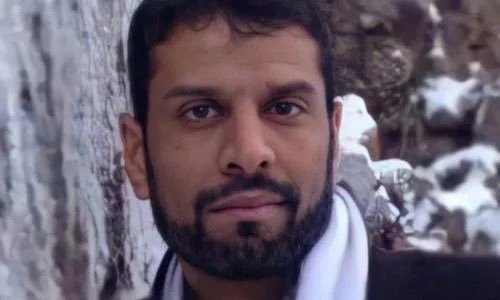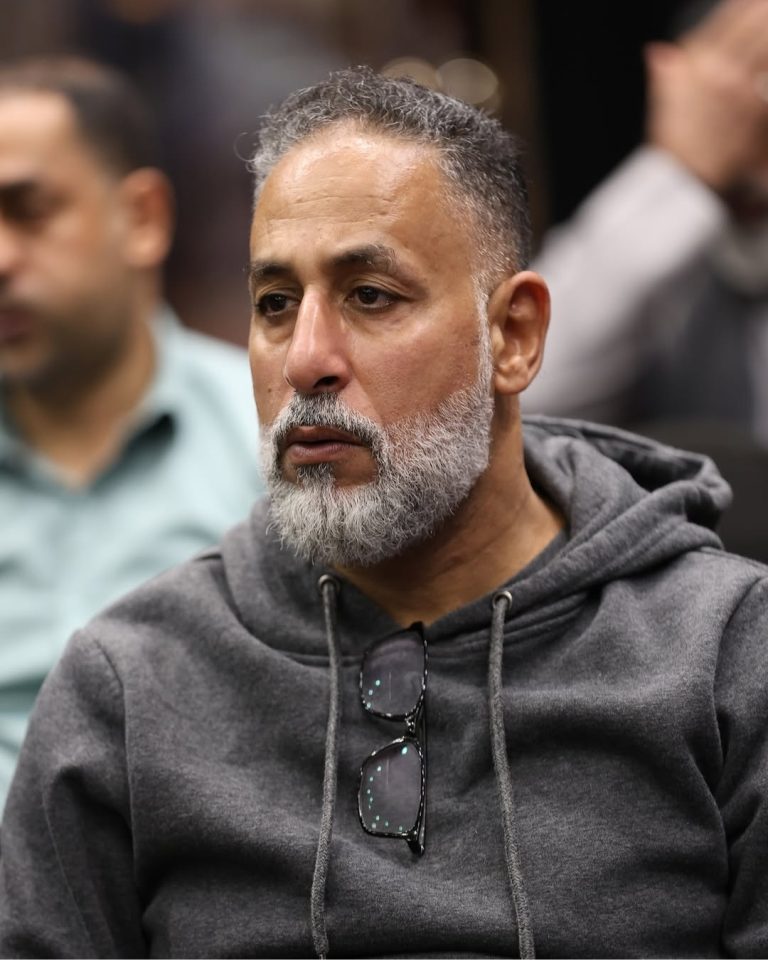
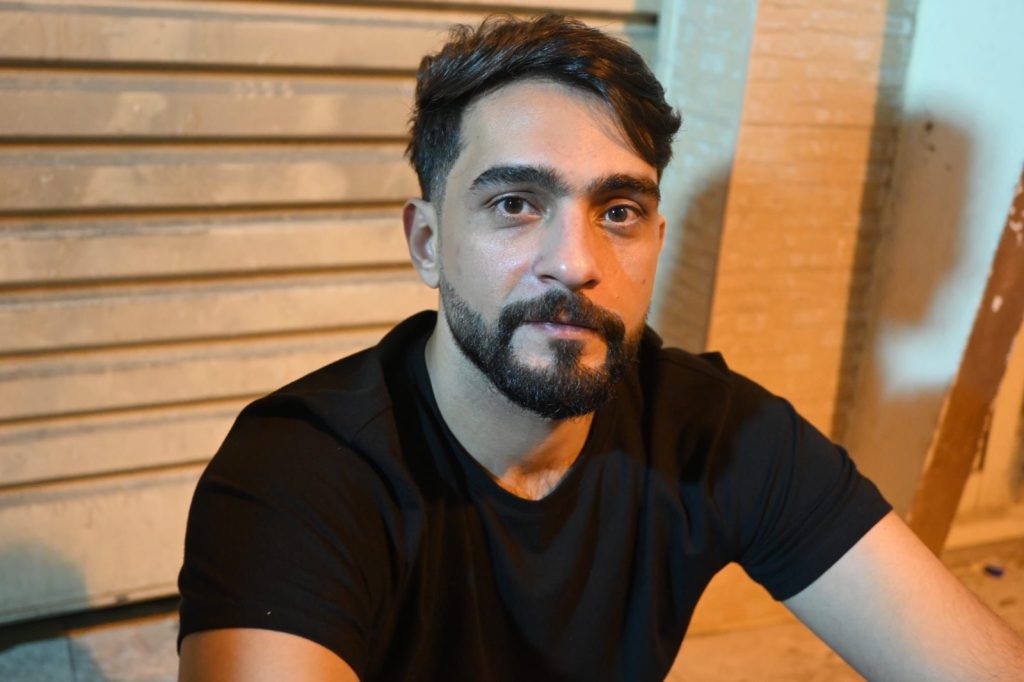
(London) – Today, the Special Investigation Unit (SIU), a body under Bahrain’s Public Prosecution Office mandated to investigate misconduct by security officials, concluded its investigation into the death of Sayed Mohamed Almosawi, 32, who died in custody last month. His body was handed to his family on 27 March 2026, bearing clear signs of torture.
The SIU announced that “the conclusion of its investigation into the death of a detainee and the referral of the perpetrator, who remains in custody, to criminal trial on charges of assault resulting in death.” While the statement does not reference the perpetrator’s position, it is clear they are referring to a security official due to the specific mandate of the SIU. The SIU has only charged one individual, and it remains unclear whether other security officials aided or stood by while Mr Almosawi was tortured to death.
Commenting on the SIU’s statement, Sayed Ahmed Alwadaei, Advocacy Director at the Bahrain Institute for Rights and Democracy (BIRD), said:
“The body of Sayed Mohamed Almosawi, marked by torture, has shocked the public and laid bare the continued reality of abuse in Bahrain.
This is a rare admission of torture by a government watchdog. The authorities must now ensure that their findings are fully shared with Almosawi’s family.
This trial must be fully transparent, and those responsible must face justice. Failure to do so will only entrench impunity. The family deserves truth and full accountability.”
While the SIU acknowledged today that Mr Almosawi’s death was caused by a “beating leading to death,” the fate of two others arrested with him remains unknown, raising concerns of another crime under international law, namely enforced disappearance.
Sayed Ahmed Almosawi and Mustafa Yousif have only contacted their families twice and were unable to disclose their place of detention. It is unclear whether the SIU has interviewed them as part of its investigation.
At this point, it is crucial that the SIU investigate the status of Sayed Mohamed’s co-detainees, particularly given the many reports of enforced disappearance cases in which the SIU and other watchdogs have failed to take action.
Background on investigation
On 27 March 2026, following Mr Almosawi’s burial, the Ministry of Interior (MOI) published a public statement. The statement made four claims, including that photographs circulating of his body were “inaccurate and misleading and have been deliberately disseminated to mislead public opinion.”
In a report released on Monday, BIRD and Human Rights Watch shared information gathered through eight interviews, including family members, friends, and human rights activists with knowledge about the case. An expert from New York-based NGO Physicians for Human Rights verified photos of Mr Almosawi’s body, which include metadata confirming the time, date and device used to take the photos.
The medical expert concluded that the injuries were consistent with “repeated blunt force trauma applied over time, possible use of both hands and implements, injuries inflicted in a controlled environment, potentially involving restraint, [and] targeted blunt force trauma to specific anatomical regions (face, torso, feet).” The medical expert said that the evidence from the photos was “highly consistent with alleged torture” and ruled out both accidental injury and cardiac death.
Further information on Mr Almosawi’s disappearance and death can be found in the report here.
On 5 April 2026, the SIU published a statement “initiated extensive investigations” and committed to “determining criminal responsibility and holding accountable anyone proven to be involved in this incident”.
Torture by Bahraini authorities also remains a key issue in the country. In November 2025, concluding observations by the UN Committee against Torture, noted that torture is “routinely used” by security forces and that the authorities have taken no meaningful steps to hold perpetrators accountable. The Committee found “consistent reports” of torture and ill-treatment by authorities used to extract confessions, punish detainees, or intimidate political opponents. It warned that the absence of independent investigations has created a “climate of impunity.”
In the face of Mr Almosawi’s death in custody and the remaining uncertainty regarding his two co-detainees, Bahrain must hold all involved to account through a transparent and fair trial.