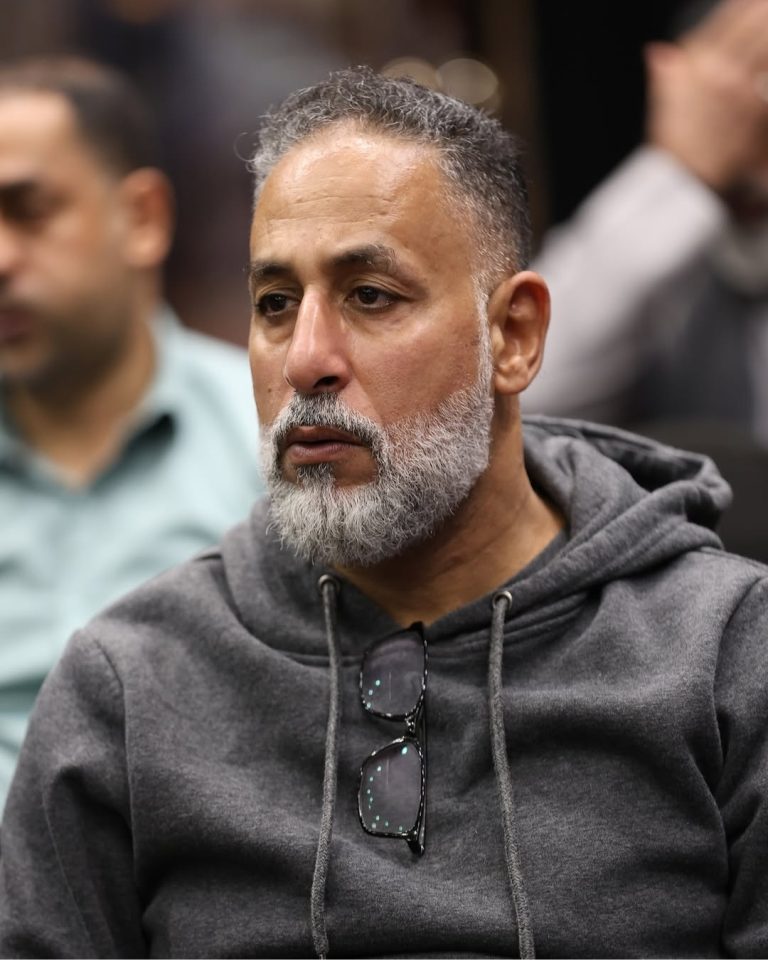
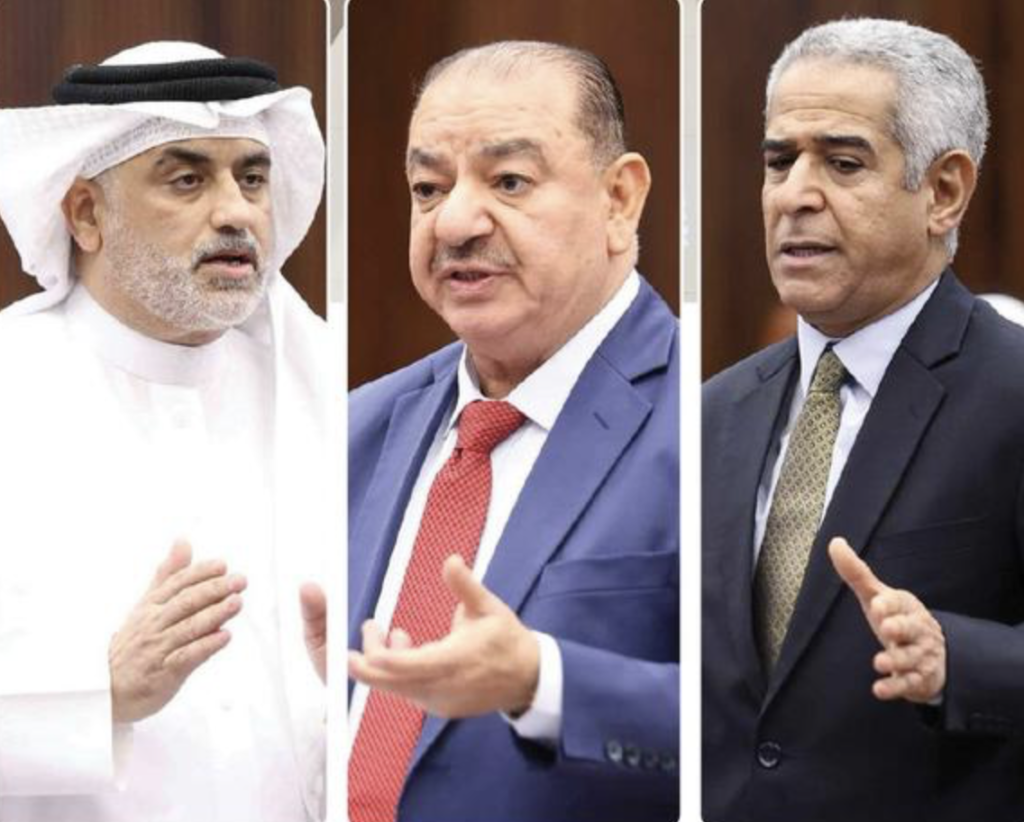
Bahrain’s parliament voted to revoke the membership of three Members of Parliament in a special session held this morning. The removal came after the three MPs – Abdulnabi Salman, Mamdooh Al Saleh and Mahdi Al Shuwaik – voted last week against a royal decree removing judicial oversight in matters of citizenship.
Their votes angered the King and prompted 37 of their colleagues in Parliament, including the Speaker of Parliament, to sign a petition calling for their removal.
During a parliamentary debate on 28 April, the MPs opposed a royal decree issued in 2024 that removed judicial oversight from all matters related to citizenship, classifying them as sovereign issues, and eliminated the possibility of legal challenge or appeal against citizenship revocations. The debate resulted in the approval of the 2024 royal decree, with 33 votes in favour, three against, three absent, and the Speaker not voting. The three who voted against the decree have since faced serious threats from the King, culminating today in the vote to strip them of their Parliamentary seats.
The vote came just one day after the authorities stripped 69 individuals of their citizenship on national security grounds for the government’s claims that they held “sympathy for and glorifying Iran’s sinful, hostile acts”. The mass revocation extended to the targeted individuals’ families and children, including infants. All individuals stripped of nationality in the revocation are Shia Muslims of Iranian heritage.
Two of the three MPs who later voted against the decree spoke in Parliament.
In a session published on the Parliament YouTube channel, Abdulnabi Salman emphasized the necessity of oversight in a just government, stating that “Always, the existence of oversight over any of the authorities would achieve justice and a sense of fairness and trust.” He also spoke out against collective punishments, adding, “It is true that whoever harms this country must be punished, but punishments must not be collective, God forbid, or be taken as reactions, because the matter relates to the fate, future, and trust of the people in the system and the judiciary.”
Mamdooh Al Saleh argued against the extension of the punishment to family members and stated: “…but what is the fault of the children and the grandchildren? They may have no guilt; they did not participate in their father’s crime or mistake.”
Three days after the debate, and following a meeting with UAE leaders, Bahrain’s King issued remarks to the press accusing the MPs of siding with “traitors” and warning that they must apologise to “the people” or face the same fate as those they were supporting: the stripping of their citizenship and deportation. His furious rhetoric suggests his personal views, in particular regarding the 2024 royal decree that he issued himself, and raises serious concerns of authoritarian abuse of power.
The King’s comments were welcomed by six Arab states, with the UAE and Kuwait expressing support immediately, then followed by Morocco, Saudi Arabia, Syria, and Jordan.
Also today, Bahrain’s National Press Day, a journalist from Al-Ayyam was barred from entry to the parliamentary session due to a personal objection from the Speaker of the House of Representatives regarding a recent article headline.
Bahrain is ranked among the worst countries in the world for press freedom, placing 170th out of 180 countries in the latest ranking by Reporters Without Borders.
In response to today’s vote, Sayed Ahmed Alwadaei, Director of Advocacy at the Bahrain Institute for Rights and Democracy, said:
“No elected representative should face the threat of deportation and citizenship revocation for casting a vote against the King’s wishes. That they were forced to apologise to the King – and that their apology did not save them from destroying their career and future – exposes the reality of political life in Bahrain: under dictatorship, dissent is equivalent to political suicide.”